

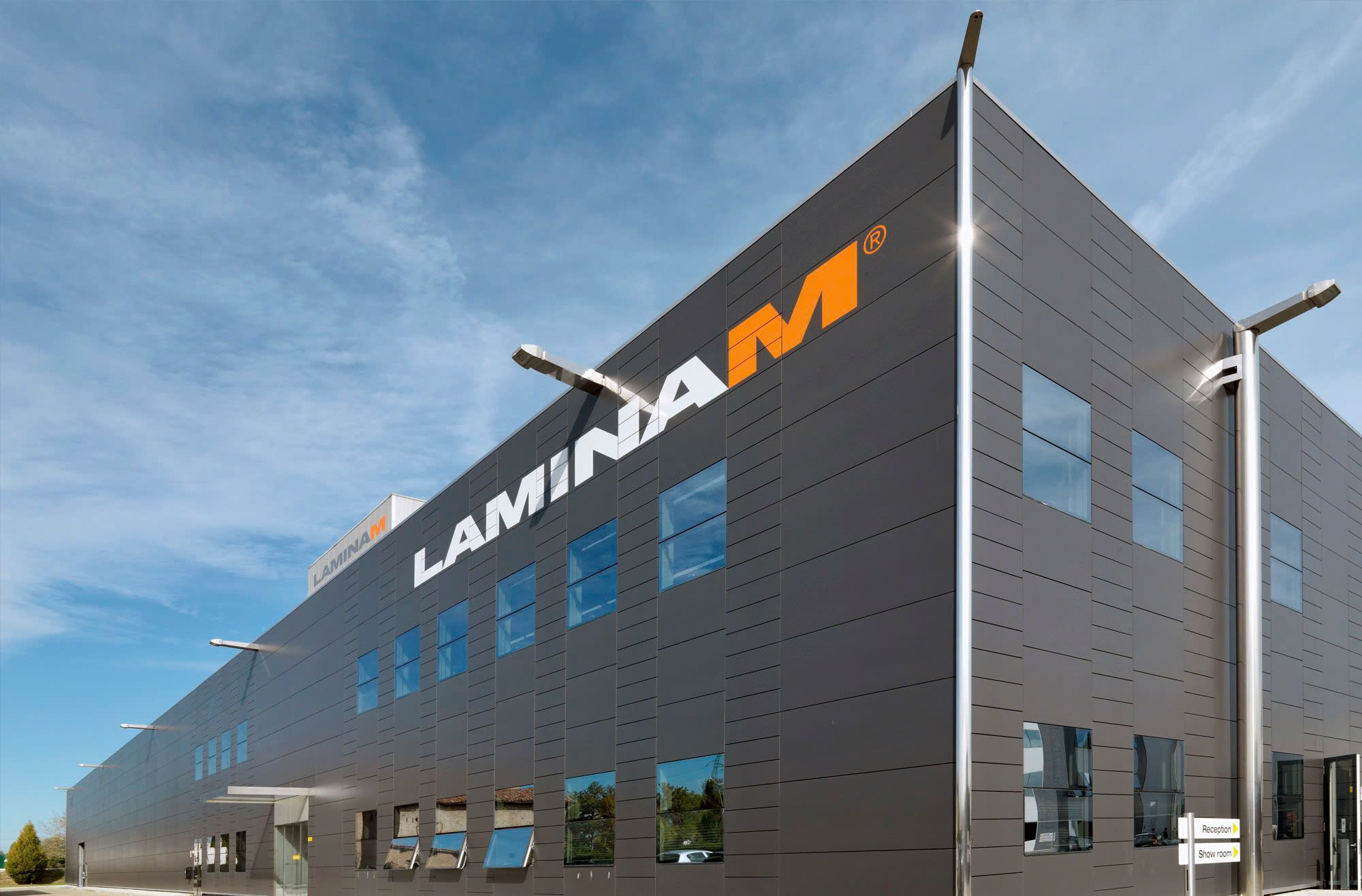
When selecting finishing materials, exterior beauty is often the first factor that captures attention, but the true value of a tile lies in the porcelain manufacturing technology behind it. From water resistance, load-bearing strength, and dimensional stability to the long-term lifespan of a project, all of these qualities are determined by the production process and technological standards. That is why STILE always prioritizes carefully selected premium porcelain collections manufactured on advanced production lines, delivering surface solutions that are durable, refined, and capable of meeting the demanding requirements of contemporary architecture.
Porcelain tile manufacturing technology determines the true quality of the product.
When choosing tiles for a home or project, we are often drawn to the colors, stone veining, or product dimensions. However, beauty is only what can be seen on the surface. The real long-term value of a porcelain slab lies in the manufacturing technology behind it.
A product may have an attractive design, but if it is made using outdated technology, its durability and long-term performance can be significantly compromised. In contrast, porcelain slabs produced with advanced manufacturing technology offer better water resistance, higher strength, less warping, and maintain their beauty over time. That is also why STILE always prioritizes products manufactured according to the world’s most advanced porcelain slab production standards.
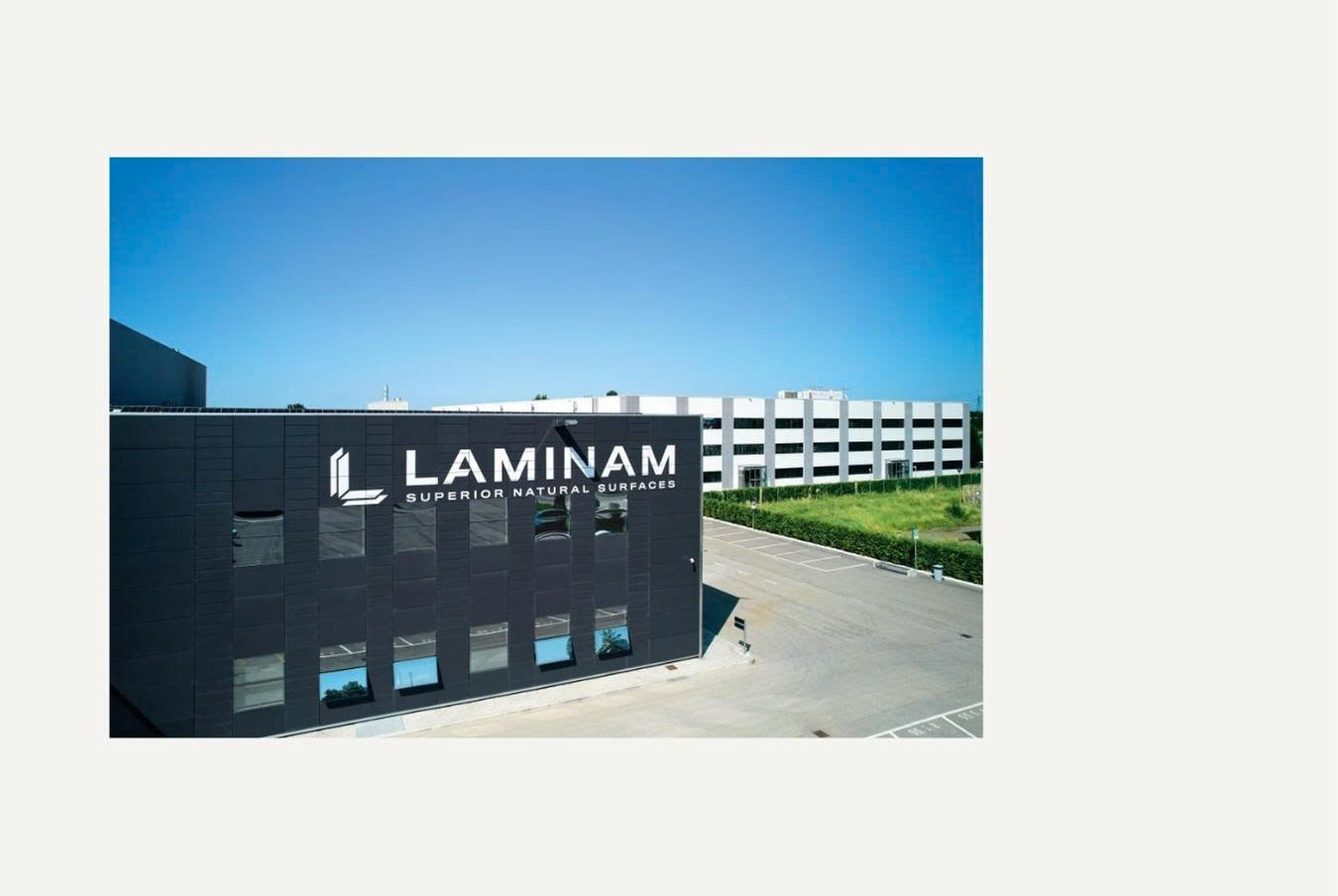
How does porcelain tile manufacturing technology create porcelain slabs?
Porcelain slabs are made from natural raw materials such as refined clay, quartz sand, feldspar, and carefully selected minerals.
However, high-quality raw materials are only the starting point. What matters even more is how these materials are processed, compressed, and fired at high temperatures through advanced porcelain manufacturing technology to form a dense and compact material structure.
To put it simply, if the raw materials are the “ingredients,” then manufacturing technology is the “recipe” that determines the quality of the final product.
It is this manufacturing process that directly affects:
- Product durability
- Water resistance
- Dimensional stability
- Load-bearing strength
- The lifespan of the project
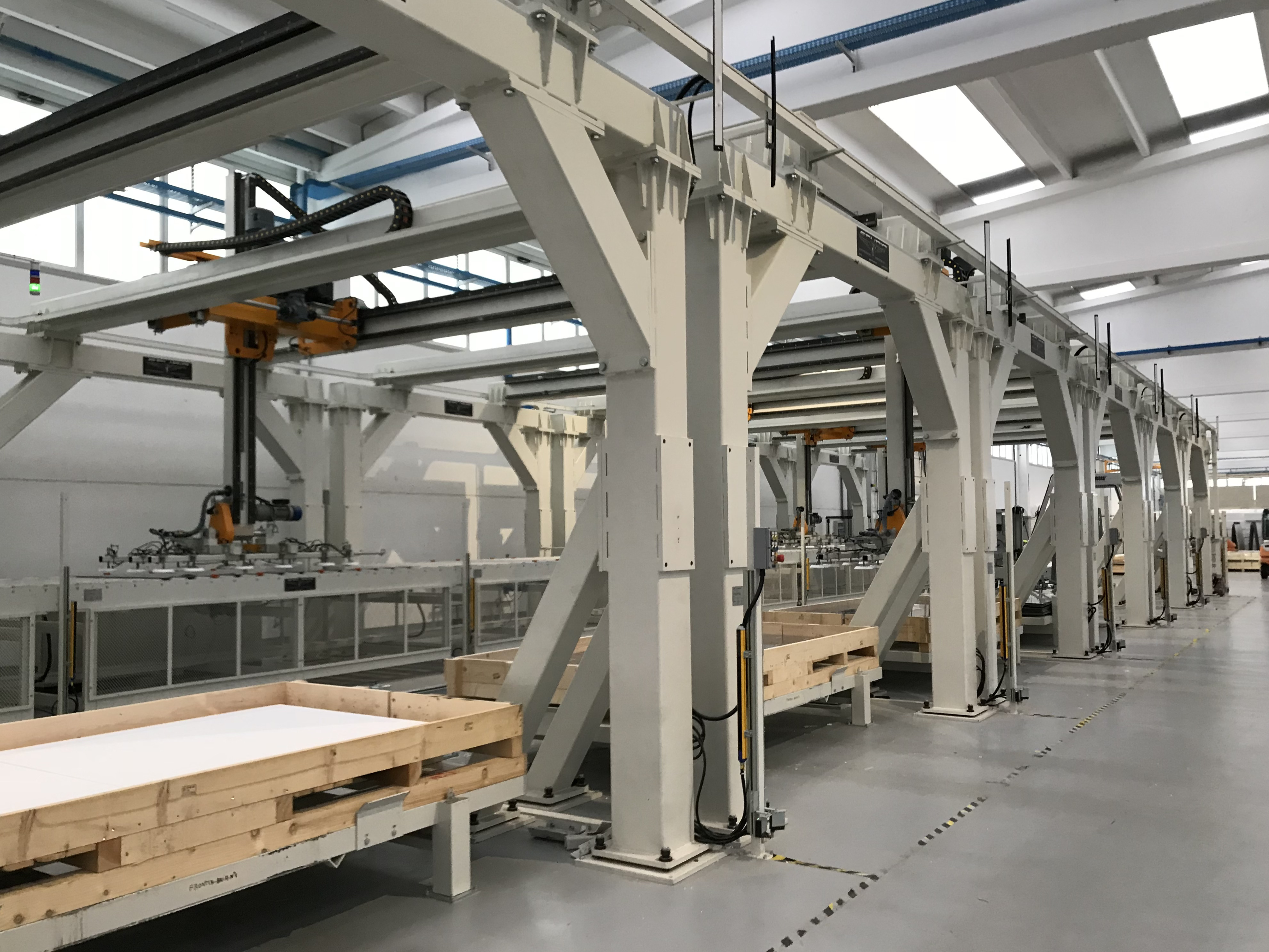
Why is porcelain tile manufacturing technology receiving increasing attention?
In the past, tiles were mainly produced using traditional methods with relatively low pressing force. This often resulted in a less uniform internal structure and a higher risk of inconsistencies during use.
Today, modern factories in Europe apply advanced porcelain manufacturing technology with high-pressure dry pressing techniques, using compression forces of up to thousands of tons. This technology allows the raw material particles to bond more tightly, creating a denser and more stable tile body.
The results of modern manufacturing technology include:
- Extremely low water absorption
- Better load-bearing strength
- Reduced warping
- Higher long-term durability
- Suitable for projects requiring high technical standards
This is why premium porcelain slabs are increasingly being used in villas, hotels, resorts, and modern commercial projects.
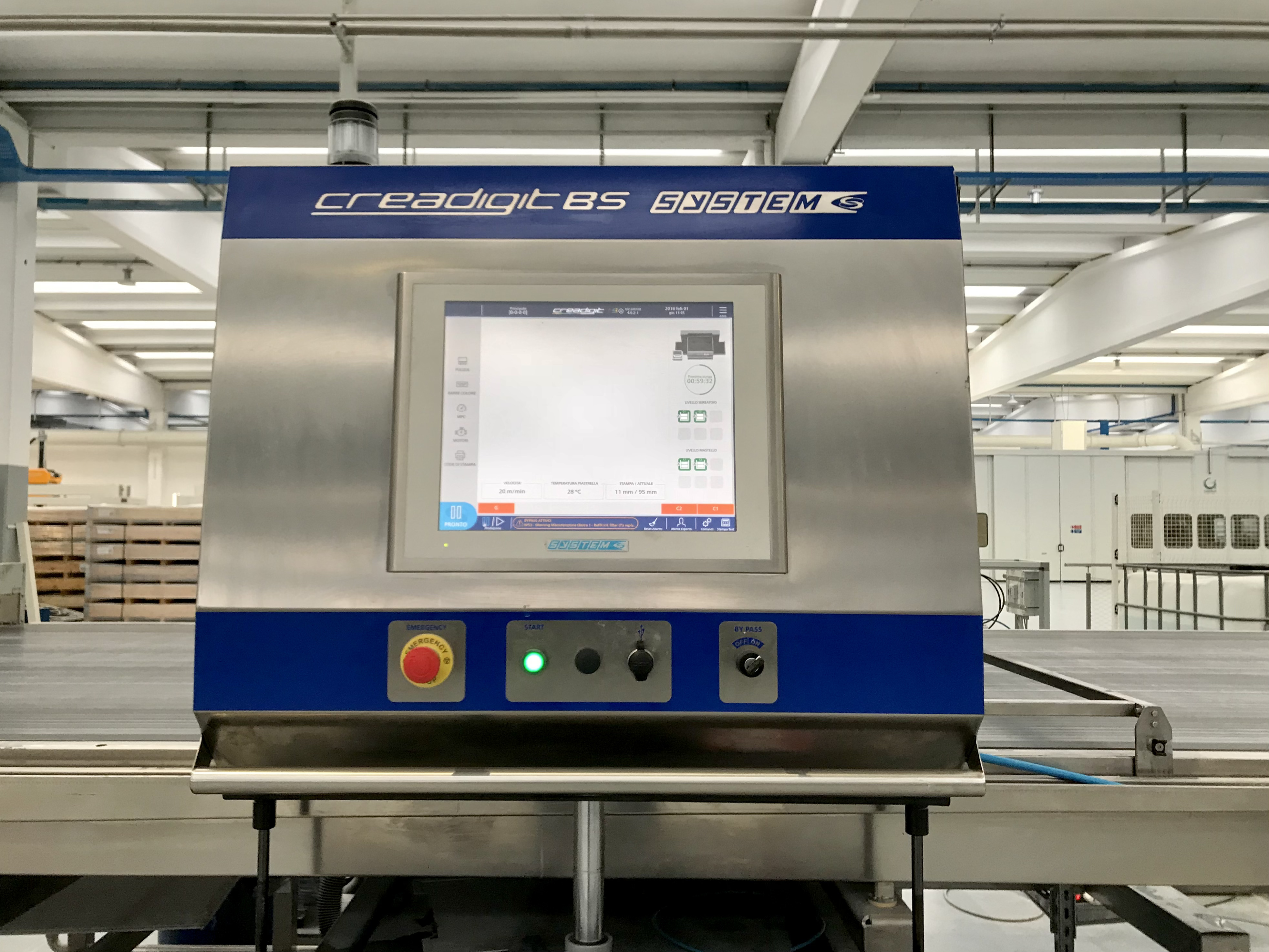
Porcelain tile manufacturing technology with a flat backing – a small detail with significant meaning
One of the most noticeable characteristics of next-generation porcelain slabs is their flatter backing compared to traditional products.
Many customers often assume that a grooved backing provides better adhesion. In reality, with the advancement of manufacturing technology and modern tile adhesives, a flat backing offers even greater advantages.
When produced using high-pressure porcelain manufacturing technology, the entire slab achieves a uniform structure from front to back. This allows the product to:
- Be more stable during use
- Reduce the risk of cracking or breakage
- Minimize warping
- Improve dimensional accuracy
This is also one of the key indicators that a product has been manufactured on an advanced porcelain production line.
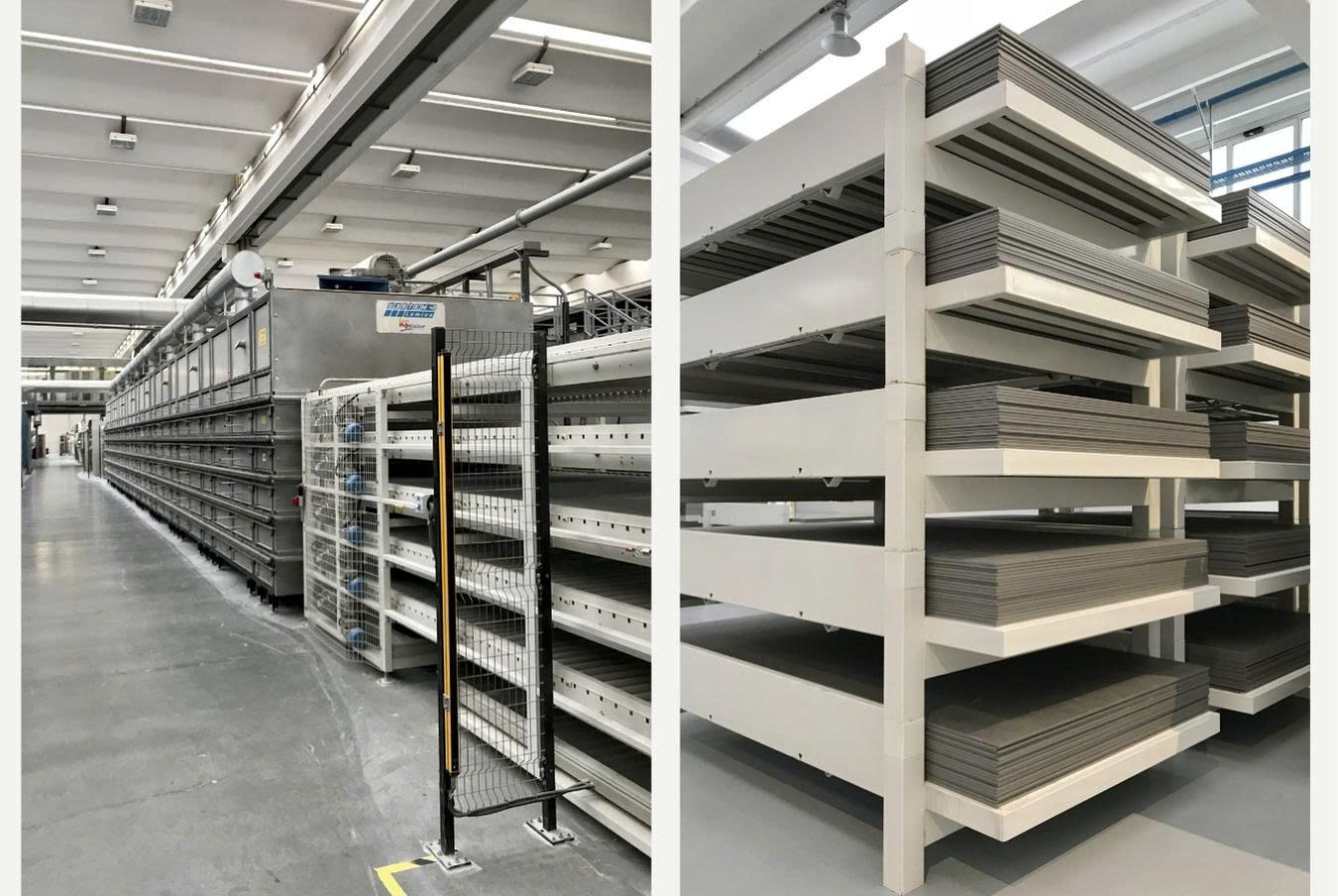
Porcelain tile manufacturing technology meets the growing demand for large-format slabs
In modern architecture, seamless surfaces with minimal grout lines are becoming increasingly popular.
That is why large formats such as:
• 600x1200mm
• 800x1600mm
• 1200x2780mm
• 1600x3200mm
Are being used more and more in high-end projects.
However, to produce slabs of such large dimensions while maintaining flatness and durability, manufacturing technology must achieve an extremely high level of precision.
Thanks to advanced porcelain manufacturing technology, today’s porcelain slabs are no longer limited to floors and walls, but can also be applied in:
- Kitchen countertops
- Kitchen islands
- Lavabos
- Dining tables
- Architectural facades
- High-end furniture
This versatility has made porcelain one of the most favored materials among architects today.
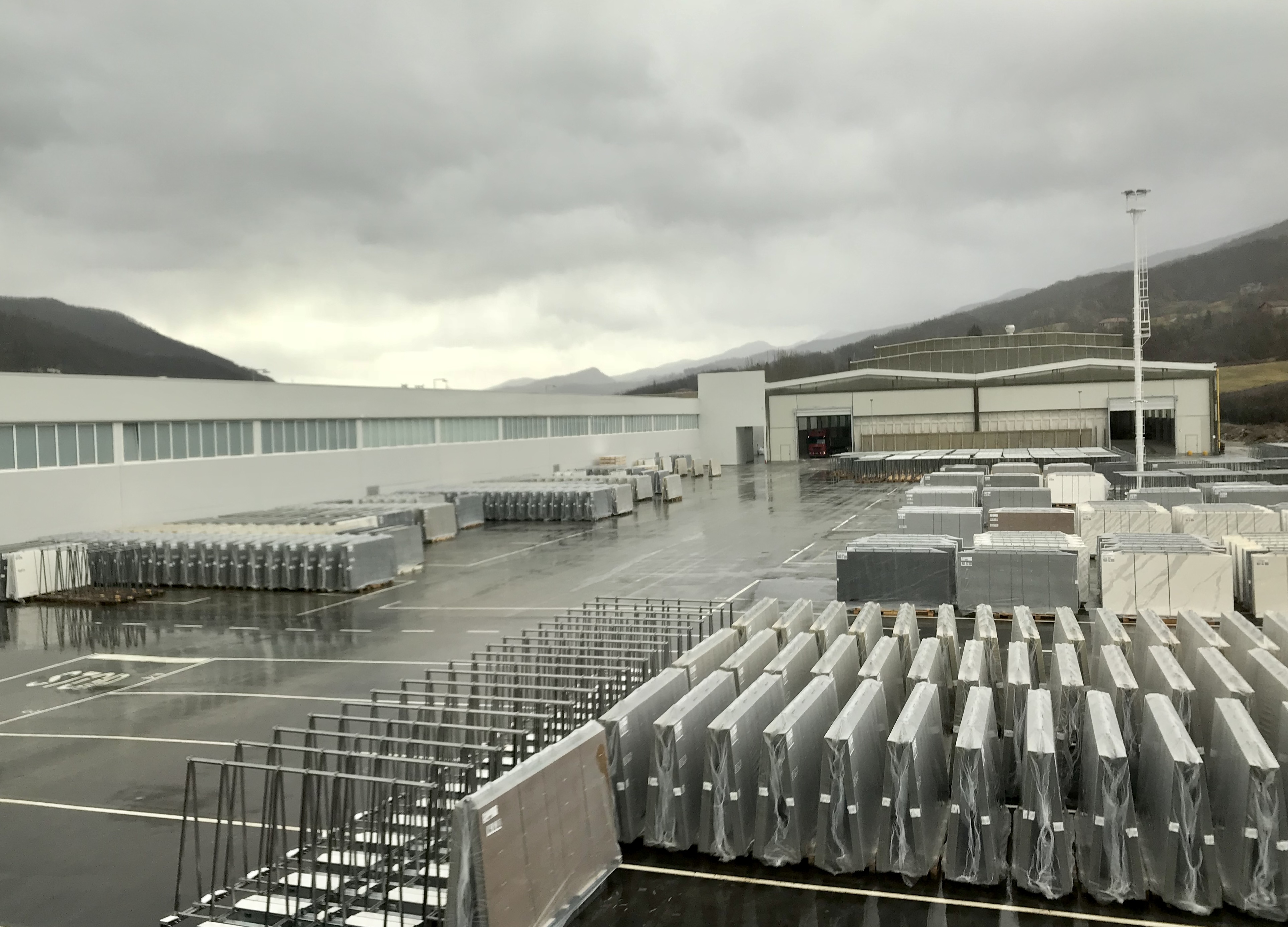
Porcelain tile manufacturing technology and the transformation of modern installation methods
Alongside the development of materials comes a significant evolution in installation techniques.
While traditional cement slurry was once the common choice, specialized tile adhesives have now become the standard in high-quality construction projects.
Modern adhesives provide:
- Superior bonding strength
- Excellent flexibility
- Reduced shrinkage
- Lower risk of detachment
When combined with products manufactured using advanced porcelain production technology, installation efficiency is significantly improved, while also extending the overall lifespan of the project.
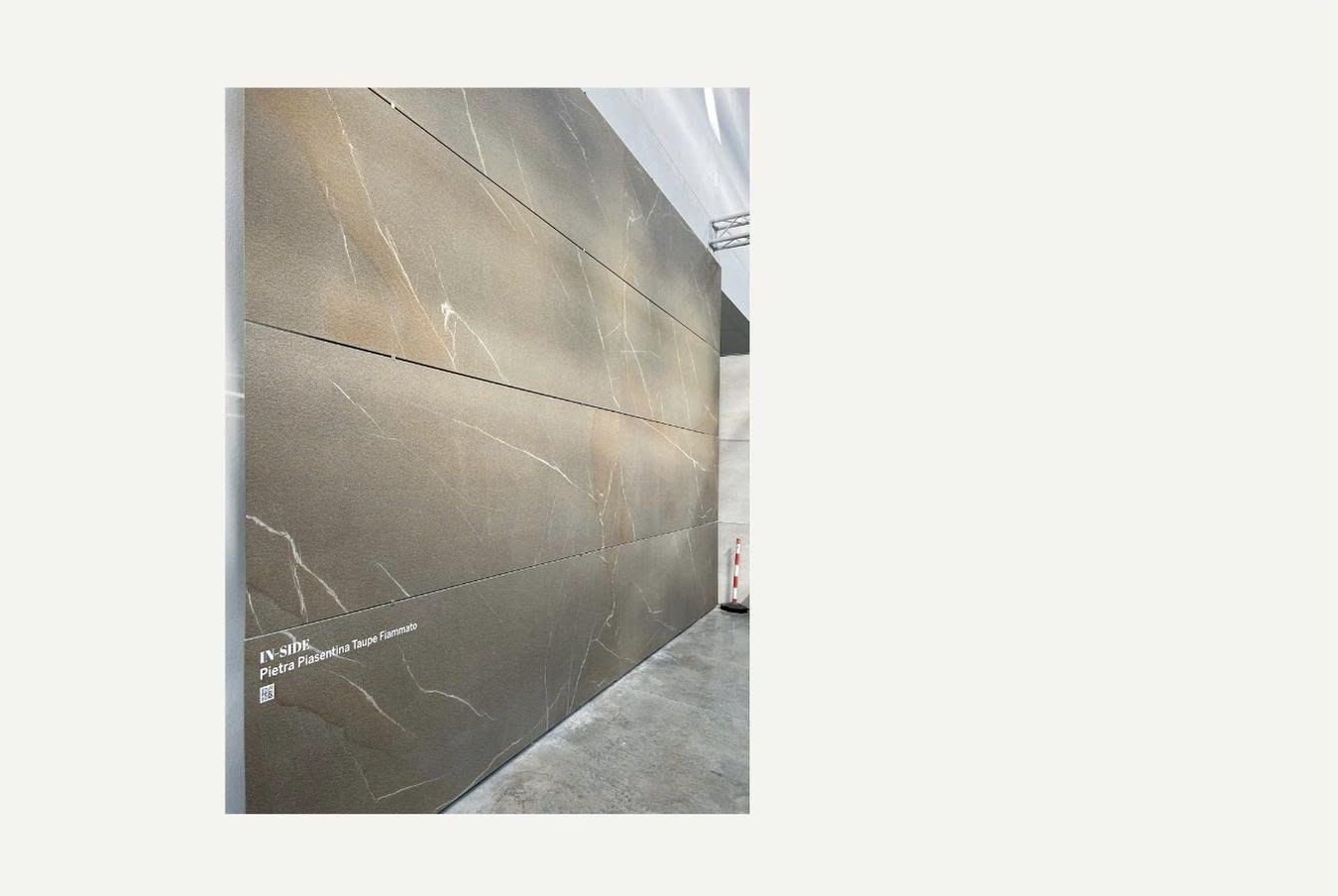
The true value of porcelain manufacturing technology lies in the longevity of the project
For STILE, porcelain manufacturing technology is not just a story of the factory, but the value that customers experience throughout the entire lifecycle of the product.
A product manufactured on an advanced porcelain production line delivers:
- Greater durability
- Lower maintenance costs
- Long-lasting beauty
- Enhanced aesthetic value for the space
- Better long-term investment efficiency
These are the practical benefits that customers can truly appreciate and experience every day.
=> See more: Premium porcelain tile collections at STILE (Source: Tin Tuc Newspaper)
What standards does STILE use to select porcelain manufacturing technology?
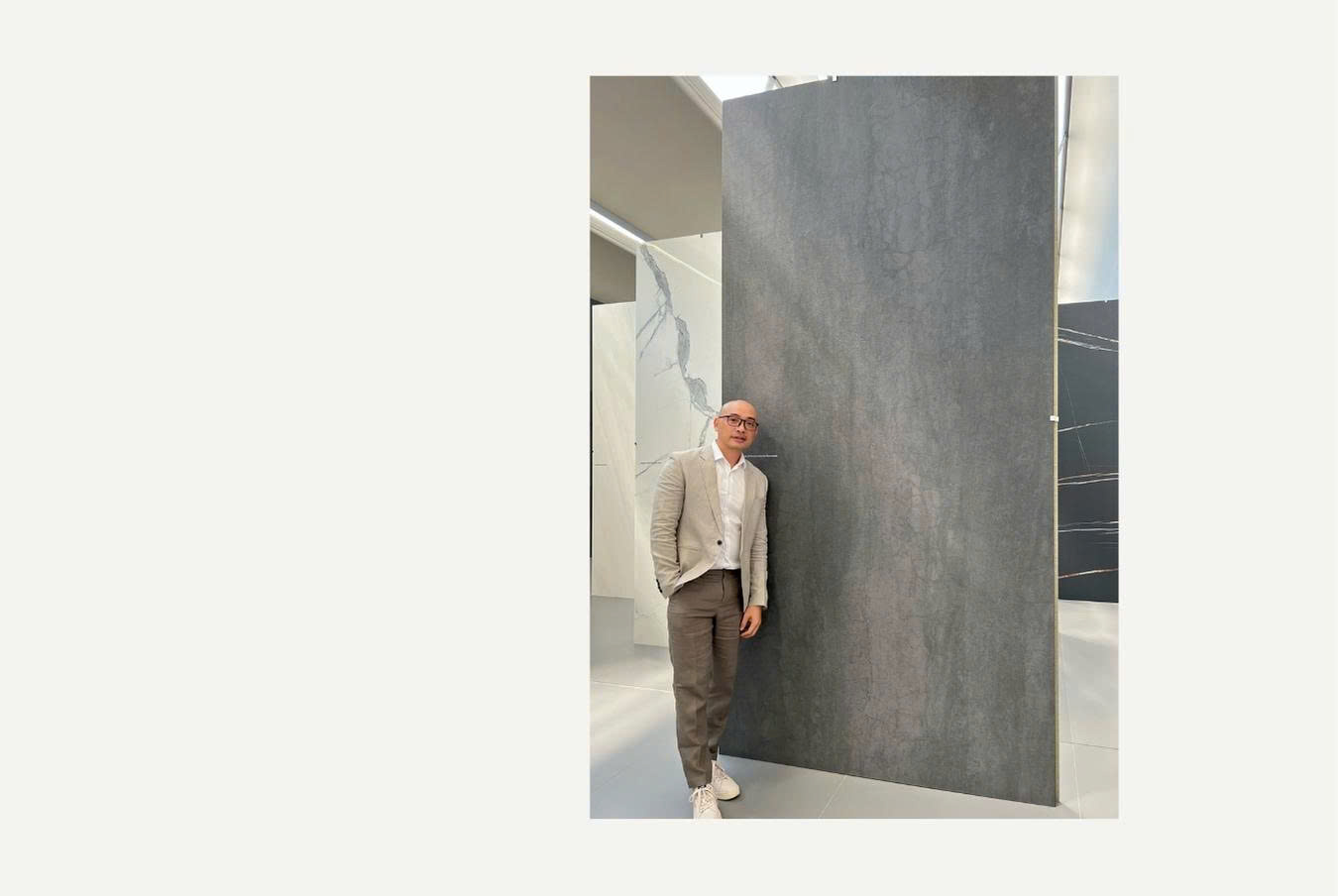
At STILE, we do not select products based solely on design or trends.
Each collection, before being introduced to our clients, must meet strict criteria in:
- Advanced porcelain manufacturing technology
- Consistent quality and stability
- Practical application performance
- International aesthetic standards
- Durability suitable for long-term use
Because we believe that a beautiful space should not only impress on the first day, but also maintain its value for many years to come.
Behind the beauty of a premium porcelain slab lies an entire process of research, manufacturing, and strict quality control, driven by modern porcelain production technology.
Understanding porcelain manufacturing technology not only helps customers choose the right product, but also enables them to make smarter investment decisions for their projects.
At STILE, we continuously seek and carefully select the most advanced material solutions to deliver surfaces that are durable, refined, and aligned with contemporary architectural trends.
Hotline: 098 165 0042
Artile Gallery: 155–157 Nguyen Co Thach, An Khanh, Ho Chi Minh City
STILE – Your Style. Our Pride.